A breakdown can leave you paying for a tow before getting an insurance answer. If you’re searching does insurance cover towing in virginia, the answer depends on your policy. Towing and roadside coverage are optional add-ons here, not required coverage.
does insurance cover towing in virginia? It’s an add-on, not a requirement
Virginia doesn’t require an auto policy to include towing or roadside coverage. Your policy must include towing coverage before you can rely on it for a claim.
That answer stays the same across the Richmond metro. It applies after a stall in the I-95/I-64 downtown overlap. It also applies after a breakdown on I-295 or a flooded car in Shockoe Bottom. The location changes the roadside situation, but state law doesn’t create towing coverage for that event.
Check your policy before assuming a tow will be covered. A card showing that you have auto insurance doesn’t answer the towing question. Neither does the fact that the vehicle stopped during an emergency. This is a policy-level decision between you and your insurer.
Look for wording about towing or roadside assistance in your policy documents. If the wording isn’t clear, contact your insurer and ask for a direct answer. Confirm what documents should accompany a claim before discarding anything from the tow.
If you’re already stranded, you can review your options for roadside assistance or emergency towing. Quick Tow Richmond’s line takes your call, and we match drivers with independent licensed towing operators. The operator contracts with you and bills you directly. Insurance coverage remains a separate question for your insurer.
What Virginia actually makes you carry
Virginia’s mandatory auto coverages are liability and uninsured or underinsured motorist coverage. Towing isn’t included in that mandatory group.
That distinction matters when you’re standing beside a disabled car. Having the coverage Virginia requires doesn’t establish that your policy will address the tow. The state sets mandatory insurance requirements, but the towing add-on remains optional.
Start with the declarations page for your own policy. Look for a separate entry referring to towing or roadside coverage. Read the policy language tied to that entry. Don’t substitute a registration card, insurance card, or general account screen for the actual policy terms.
If you can’t locate a towing entry, ask your insurer to confirm your coverage in writing. Give the insurer the basic facts about the incident. Include where the car stopped, why it couldn’t continue, and where the operator took it. Ask what paperwork the insurer wants you to retain.
Don’t rely on another driver’s experience. Their policy isn’t yours, even if the roadside problem looked similar. A tow from the Bryan Park Interchange and a recovery from Shockoe Bottom may each require an operator. That shared need doesn’t make the insurance terms identical.
The useful dividing line is simple. Virginia decides what insurance every driver must carry. Your own policy decides whether optional towing coverage is part of your protection.
The one place state regulation touches towing coverage
The Virginia State Corporation Commission’s auto insurance guide mentions towing coverage exactly once. It appears within a rule about when an insurer may not use claims as the sole ground for nonrenewal.
The guide refers to “one or more claims filed under the comprehensive coverage or towing coverage of your policy.” That wording confirms towing coverage exists as a named optional policy line. It doesn’t turn that coverage into a Virginia requirement.
The reference also doesn’t establish a required payment amount or claim process. It doesn’t require every insurer to include towing automatically. The guide’s statement concerns nonrenewal, not whether a particular roadside event is covered.
No Virginia statute requiring insurers to offer, price, or disclose towing coverage could be confirmed beyond that nonrenewal protection. That gap shouldn’t be filled with a broad promise. It means the answer must come from your policy and insurer.
This matters after a stressful roadside event. A driver may hear that Virginia “covers towing” or that insurance “has to pay.” Neither statement matches the confirmed state guidance. Virginia recognizes towing coverage as an optional policy line, but it doesn’t mandate that line.
Read the actual policy terms. Then ask the insurer how those terms apply to your tow. That approach gives you a policy-specific answer instead of a guess based on a state rule that doesn’t exist.
Read your own declarations page, not a state rule
Your declarations page is the practical starting point. Find the current policy period, then look for towing or roadside coverage. If it appears, read the connected policy language rather than relying only on the label.
Next, ask your insurer for the exact claim instructions. Confirm where the itemized receipt should go and what other records should accompany it. Keep the response with your policy documents.
Quick Tow Richmond can’t decide whether your insurer will accept a claim. We connect drivers with independent licensed operators. Those operators contract with drivers and bill them directly. That referral doesn’t change the terms of an insurance policy.
Before agreeing to a tow, ask the operator for the full total with mileage included. Keep the insurance question separate from the operator’s charge. Our guide to tow costs in Richmond explains the local cost discussion in more detail.
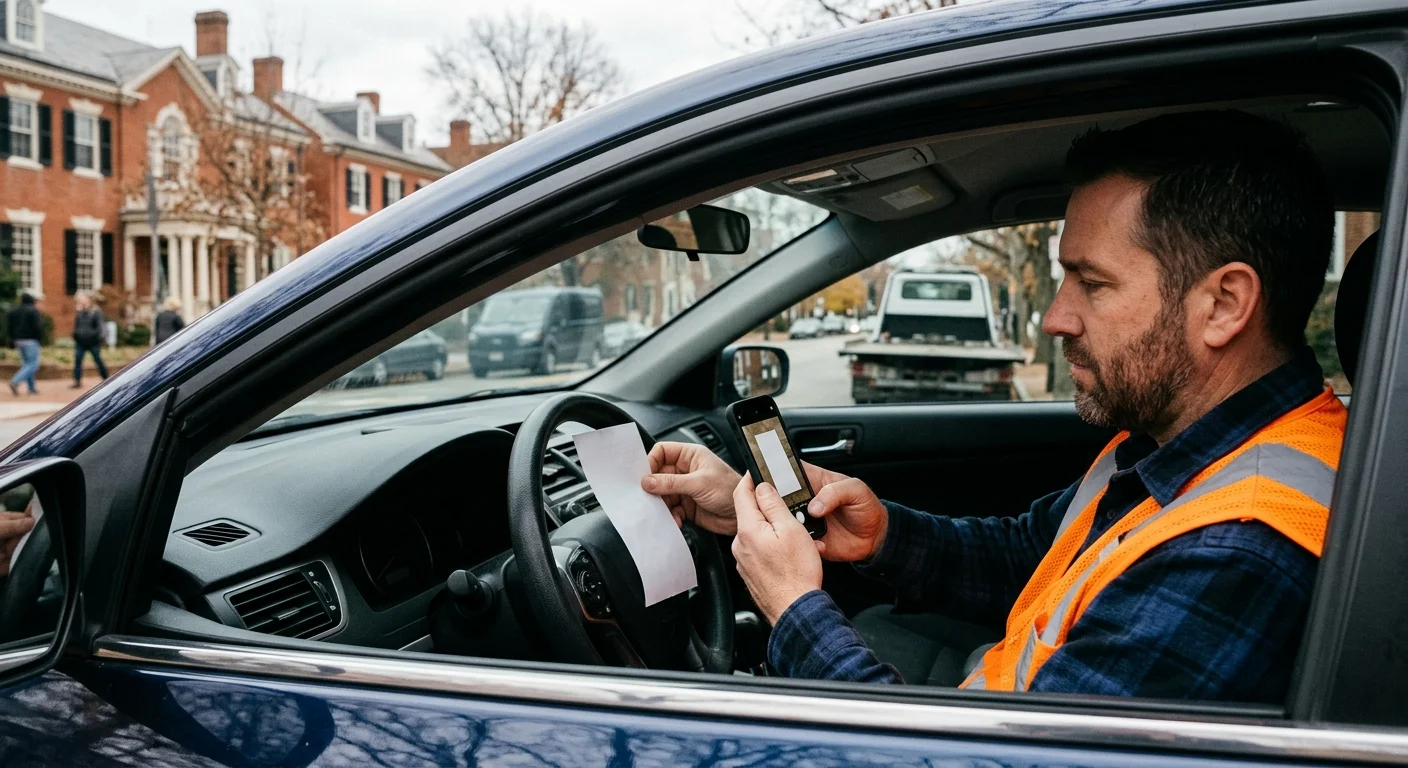
Save the operator’s name, the pickup location, the destination, and the itemized receipt. Photograph the receipt so you still have a copy if the paper gets lost or damaged. Then follow the submission instructions given by your insurer.
Avoid treating a state towing rule as proof of insurance coverage. Towing law and insurance coverage answer different questions. The first governs towing conduct in covered situations. Your policy determines whether your insurer addresses your particular claim.
When the documents aren’t clear, say exactly what happened and ask for a written coverage answer. That’s more dependable than assuming every breakdown, accident, or roadside call receives the same treatment.
What to do at the scene if you plan to claim it
Start building a clean record while the details are fresh. Note where the car stopped and why it couldn’t continue. Take photos of the vehicle, its condition, and the surrounding location. These steps don’t guarantee coverage, but they preserve information for your insurer.
Before the vehicle moves, ask the operator for the full total with mileage included. Quick Tow Richmond doesn’t set the operator’s final charge. The independent operator bills you directly.
Ask for an itemized receipt when you pay. Richmond’s ordinance requires anyone taking payment to provide one. Virginia law also requires operators to retain towing records, including itemized fees, for one year. The Code of Virginia towing chapter provides the state rules governing towing and storage.
Keep the receipt readable. Photograph both sides if information appears on the back. Save any written directions your insurer gives you. Submit the documents through the channel the insurer identifies.
The roadside setting may also affect what help is already present. The VDOT Safety Service Patrol provides free roadside assistance and incident management on I-95, I-64, and I-295 around Richmond. Its services include tire changes, fuel delivery, jump starts, radiator water, and help arranging a tow. It doesn’t perform mechanical repairs or act as a towing company.
A flooded car in Shockoe Bottom presents a different scene. The district is Richmond’s most flood-prone commercial area because of its low elevation beside the James and Shockoe Creek. Record the location and visible vehicle condition for your insurer.
Whether the car stopped near Bryan Park, on I-295, or in Shockoe Bottom, keep the same paperwork routine. Confirm your policy, get the itemized receipt, preserve your records, and follow your insurer’s instructions.
When to call us
When your car can’t move safely or requires relocation, an independent licensed towing operator can handle the tow. Quick Tow Richmond’s recorded line takes calls 24/7, and a recording notice plays before your message. Call us at (804) 701-6752.