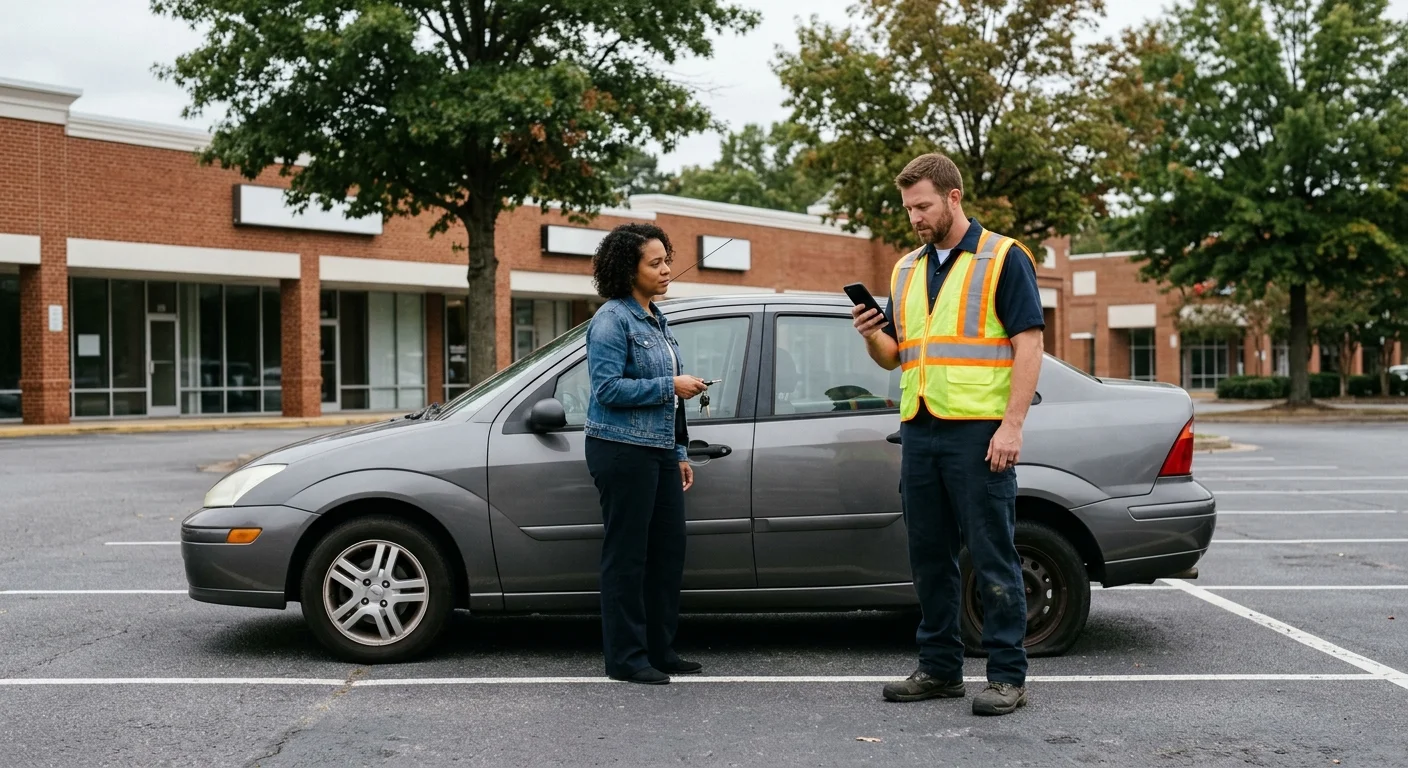
You’re beside a friend’s disabled car, but the roadside benefit is yours. The answer to “can you use roadside assistance for someone else’s car” depends on your plan’s written terms. Check who and what the plan covers before requesting service.
Can you use roadside assistance for someone else’s car?
Start with the eligibility section of your plan. Don’t rely on the card in your wallet or what happened during an earlier service call.
Look for clear answers to these questions:
- Does the benefit apply to the named member?
- Does it apply only to a listed vehicle?
- Must the member be present when help arrives?
- Does the vehicle owner need to approve the request?
- Are household members or additional drivers included?
- Does the vehicle’s location affect eligibility?
The wording controls the answer. One document may focus on the enrolled person. Another may identify covered vehicles or named drivers. If the language isn’t clear, contact the plan administrator before arranging help.
No universal eligibility rule for using a personal roadside benefit on another person’s vehicle could be confirmed from the approved Virginia sources. What can be confirmed is that towing coverage is an optional insurance add-on in Virginia. It isn’t one of the state’s mandatory auto coverages. That makes this a plan-level question, not a general Virginia insurance rule.
Our guide to whether insurance covers towing in Virginia explains that distinction. Your declarations page, benefit agreement, or plan portal should show whether roadside help appears on your account.
When contacting the plan, describe the situation directly. Say that you’re requesting help for a vehicle owned by someone else. Ask the representative to identify the exact eligibility language supporting the answer. If they provide a reference or authorization number, save it.
Read the plan terms before requesting service
Separate eligibility, service, and payment into three different questions. You may be allowed to request help without every service or expense being covered.
Search the plan documents for sections covering eligible people, covered vehicles, service requests, authorization, exclusions, payment, and reimbursement. These headings may reveal whether the benefit is connected to you, the car, or both.
Ask these questions before an operator is sent:
- Is this specific vehicle eligible under my plan?
- Must I remain with the vehicle?
- Must the registered owner be present or reachable?
- Does the plan require approval before service begins?
- Will the plan pay the operator or reimburse someone later?
- What documents must be submitted after the service?
- Are there location or destination restrictions?
Give the plan administrator the exact location. “Richmond” may mean a curb in Shockoe Bottom, a parking deck near VCU, a shopping lot in Short Pump, or a shoulder along I-95. Access conditions can change the kind of help that must be arranged.
A highway breakdown also has a separate public-safety layer. VDOT’s Safety Service Patrol operates on I-95, I-64, and I-295 around Richmond. Its free assistance includes tire changes, fuel delivery, jump starts, radiator water, and help arranging a tow. It doesn’t make mechanical repairs or act as a towing company.
Check 511 Virginia for current traffic and incident information. Personal plan eligibility remains a separate matter.
When paying per call avoids the coverage question
A per-call request can be simpler when the plan’s answer remains unclear. You arrange the needed service independently, agree to the operator’s terms, and handle any benefit claim separately.
Quick Tow Richmond is a referral service. Our recorded line takes calls around the clock and connects drivers with independent towing operators. The operator contracts with and bills the customer directly. Quick Tow doesn’t decide whether an insurer or roadside plan will reimburse that bill.
Start with our roadside assistance service when the problem may be handled where the car sits. Describe the symptoms without guessing at the cause. A dead battery, flat tire, empty tank, locked car, or vehicle that won’t move can lead to different service requests.
If towing appears necessary, review our emergency towing service. Tell the operator where the car is, whether the keys are available, and where the owner wants it taken. Ask for the full total, including mileage, before agreeing.
Paying per call removes the immediate question of whether you can use someone else’s roadside assistance. It doesn’t create a promise of later reimbursement. Get that answer from the organization administering the benefit.
You also don’t need to assume a membership is required for every request. Our guide to getting roadside help without a membership explains the per-call route. Keep the two decisions separate: getting the car moved now and seeking reimbursement afterward.
What the vehicle owner should have ready
The person requesting help should provide accurate details about the car and its location. The owner should also remain reachable if someone else is arranging the service.
Have these details ready:
- The owner’s name and current contact information
- The vehicle’s make, model, color, and plate
- The exact address or highway location
- The vehicle’s position within the property
- Whether the keys are available
- Any visible damage or dashboard warnings
- The requested repair shop, home, or other destination
- The roadside plan information, if a benefit may be used
Location details matter across Richmond Metro. A car inside a downtown parking deck presents different access conditions than one in a Midlothian apartment lot. A shoulder near the I-95 and I-64 overlap presents another situation. Tell the operator about height limits, narrow entrances, locked gates, traffic exposure, or blocked wheels.
Don’t claim to be the owner when you aren’t. Explain your relationship to the vehicle and whether the owner can speak with the operator. If the owner isn’t present, ask what confirmation the operator wants before arranging service.
You should also confirm what the owner wants done. A roadside attempt and a tow to a repair shop aren’t the same request. The owner may prefer the car taken home or to a particular shop. Get that decision before the vehicle moves.
Clear information helps the operator evaluate the request. It doesn’t guarantee that a roadside plan will approve it. Only the plan administrator can confirm benefit eligibility.
Confirm payment and reimbursement before dispatch
Coverage approval and reimbursement approval aren’t always the same decision. Ask how payment works before the operator starts toward the vehicle.
Get direct answers to these points:
- Is the member eligible to request help for this vehicle?
- Is this event included under the plan?
- Does the plan require prior authorization?
- Who pays the operator at the scene?
- If payment is reimbursed, who submits the request?
- What receipt or service record must be provided?
- Where and when should those documents be submitted?
- What happens if the request isn’t approved?
Don’t assume a verbal eligibility answer guarantees payment. Ask whether the administrator can provide written confirmation or an authorization reference. Save any message, claim reference, or instructions they provide.
If you’re paying independently, ask the operator for the full total before agreeing. Confirm whether mileage is included. Request an itemized receipt and keep proof of payment. Those records may help if the plan allows a later reimbursement request, but they don’t guarantee approval.
Keep each party’s role clear. The benefit administrator controls its coverage and reimbursement decision. The independent operator controls the service offered and the amount billed. Quick Tow Richmond connects the caller with an operator but doesn’t set plan rules or decide claims.
This distinction matters whether the car is in Richmond, Henrico, Chesterfield, or Petersburg. The location helps determine the service request. The plan document determines whether another person’s vehicle qualifies for your benefit.
When to call us
If another person’s car needs roadside help or towing, we can connect you with an independent licensed towing pro. Our recorded line takes calls 24/7 and plays a recording notice before taking your message. Call us at (804) 701-6752.