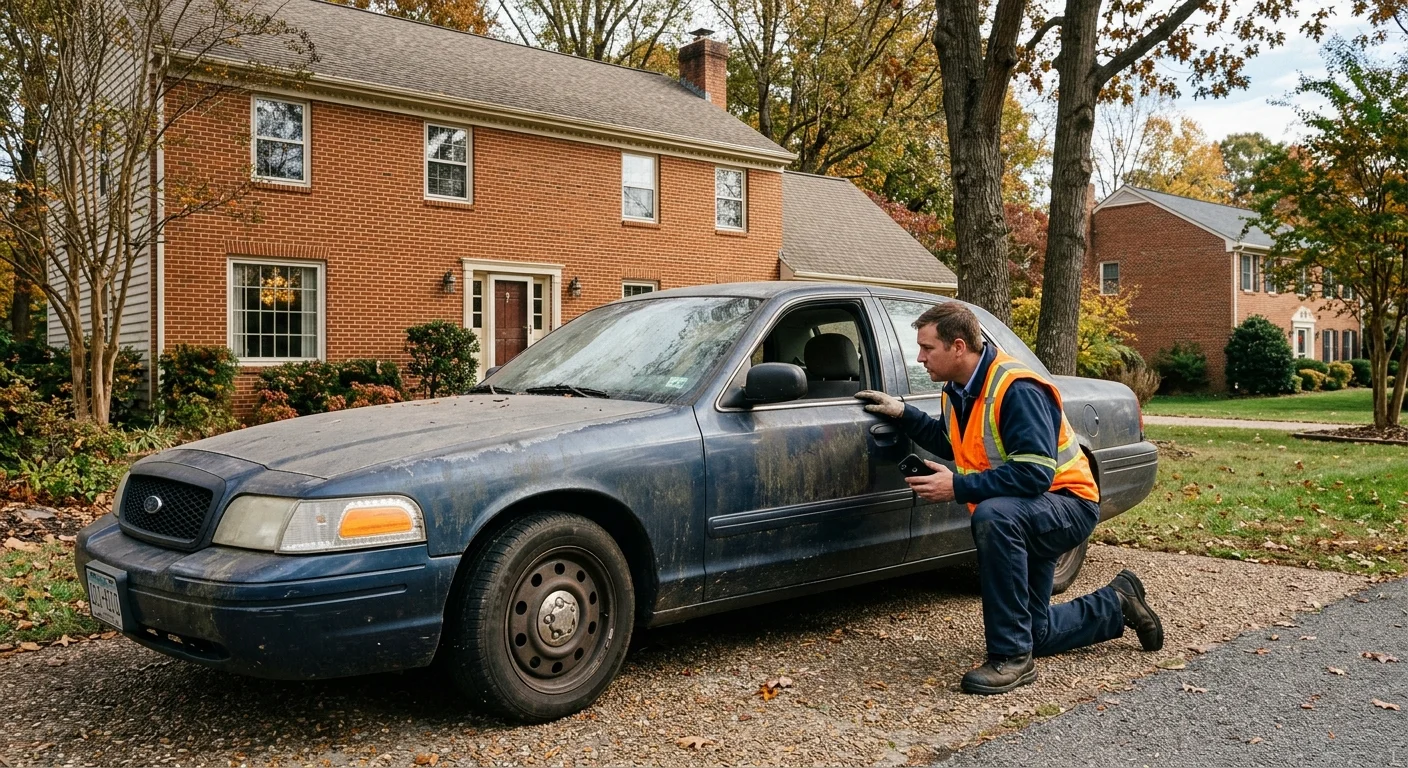
For junk car removal Chesterfield VA drivers first need one clear choice: keep the vehicle, or transfer it for disposal. Tow it if you plan to repair, sell, or store it elsewhere. Junk it only when you’re ready to give up ownership and send it to a demolisher or scrap processor.
Decide whether you want to keep the vehicle
Start with your intended outcome, not the car’s current appearance. A dead battery or mechanical failure doesn’t automatically make a vehicle ready for disposal. The same car could need a repair tow, private storage, or a permanent ownership transfer.
Choose a repair tow when you still want the vehicle. That could mean sending it to a shop, taking it home, or moving it between permitted storage locations. You’ll need a clear destination before arranging the move.
Choose junk-car removal when you’re finished with the vehicle. Virginia’s standard path involves transferring it to a licensed demolisher or scrap metal processor. That decision should be final before anyone collects the car or its ownership documents.
Don’t base this choice on an unverified scrap price. No confirmed Chesterfield vehicle value applies to every make, condition, or receiving business. Ask a repair shop about the car’s mechanical prospects. Ask the receiving processor what it will accept and what paperwork it expects.
Ownership also changes the correct path. A car you own can follow a voluntary disposal process. An unfamiliar vehicle left on your property may fall under separate abandoned-vehicle rules. Our guide to abandoned vehicle removal explains why those paths shouldn’t be mixed.
Quick Tow Richmond doesn’t buy vehicles or accept their titles. We connect callers with independent operators. The operator contracts with the vehicle owner and handles billing directly.
Check whether the car can roll and steer
The operator needs a clear picture of the vehicle before pickup. Don’t describe it only as “not running.” That could mean a weak battery, a locked transmission, damaged wheels, or a car that hasn’t moved in years.
Check what you can observe without forcing the vehicle. Tell the operator:
- Whether the wheels appear able to roll
- Whether the steering wheel turns
- Whether any tires are flat or missing
- Whether you have the keys
- Whether the transmission can shift out of park
- Whether the parking brake releases
- Whether the vehicle has visible collision, fire, or flood-related damage
- Whether fluids are visible beneath it
If something can’t be checked, say that it’s unknown. An accurate unknown is more useful than a guess.
Access matters too. Describe whether the car sits on pavement, gravel, grass, or a slope. Mention fences, low branches, parked vehicles, narrow gates, or a garage opening. A car beside a Midlothian-area home presents a different pickup than one blocked inside a crowded private lot.
Photos can help the operator understand the position. Include the full vehicle, each wheel, the approach area, and any nearby obstruction. The operator can then decide what loading approach fits the situation.
If the condition or access suggests a platform transport, review the flatbed towing service before calling. Don’t select equipment on the operator’s behalf. Give complete details and let the operator assess the move.
Gather the confirmed ownership paperwork
Virginia provides a defined path for transferring a vehicle for demolition or scrap processing. The owner may sign the Virginia title over to a licensed demolisher or scrap metal processor. The owner may also complete a Vehicle Removal Certificate, Form VSA 40.
The Virginia DMV describes VSA 40 as the standard form used for most vehicle transfers to demolishers or scrap metal processors. Its Vehicle Disposition FAQ covers that process.
A lost title doesn’t justify inventing a substitute document. DMV provides Form VSA 67 for a replacement title. A substitute title voids earlier titles. Confirm the current application steps with DMV before arranging the transfer.
Virginia license plates remain with the owner, not the vehicle. DMV says they must be surrendered when the vehicle is sold, junked, or no longer operated. Surrender options include online, in person, or by mail with Form FMS 210.
The owner also has a separate duty to notify DMV after a sale or transfer. DMV provides a “Report a Vehicle Sold or Traded” tool. The approved source record doesn’t confirm a numbered deadline, so don’t rely on one.
This is enough to prepare for the first call. Our full guide on how to junk a car in Virginia covers the paperwork in more detail.
Before pickup, ask the receiving business which confirmed document applies. A towing operator may transport the vehicle without being its final recipient. Don’t hand over a title until you understand who is receiving the car and why.
Compare a repair tow with junk car removal Chesterfield VA
A repair tow moves the vehicle without ending your ownership. Junk-car removal involves transferring the vehicle for demolition or scrap processing. That difference matters more than the car’s age or appearance.
Choose the repair route when you need a diagnosis before deciding. Give the operator the shop address or other permitted destination. Confirm that the destination can receive the vehicle before arranging transport.
Choose junk car and abandoned vehicle removal when you’re ready to complete a disposal transfer. Ask where the vehicle will go and which confirmed ownership document the recipient needs. Keep your plates and complete the separate DMV notification step.
No verifiable Chesterfield-specific junk-removal rate or universal scrap value appears in the approved source record. The condition, pickup access, destination, and transport distance may affect what an independent operator quotes. The receiving processor may make a separate decision about whether it will accept the vehicle.
Don’t treat Virginia’s nonconsensual towing ceiling as a voluntary junk-removal quote. That ceiling applies to passenger vehicles removed without consent from private property. It doesn’t establish a Chesterfield scrap value or guarantee a disposal price.
Before agreeing, ask for the full total with mileage included. Confirm whether the quoted amount covers transport only or includes another service. Ask who will bill you and when payment is expected.
Quick Tow Richmond doesn’t set the independent operator’s total. It also doesn’t promise a scrap payment, waived towing charge, or pickup time. Clear terms should come from the operator and receiving business before the vehicle moves.
What to tell an operator in Chesterfield
Prepare the important facts before leaving a message. Start with the Chesterfield pickup location and the type of property. Say whether the vehicle is in a driveway, garage, apartment lot, business lot, or another permitted location.
Give the vehicle’s make, model, and visible condition. Explain why it doesn’t run, if you know. State whether it rolls, steers, shifts out of park, and has usable tires. Mention the keys, visible damage, leaking fluids, and anything blocking the approach.
Next, state your decision clearly. Say whether you want transport to a repair destination or removal for disposal. If you’re still deciding, ask for transport information without authorizing a title transfer.
For a junk transfer, tell the operator whether you have the Virginia title or need to follow DMV’s replacement-title route. Ask for the receiving demolisher or processor’s name. Confirm which document that business expects before pickup.
For a repair tow, provide the destination and confirm it can receive the car. Don’t leave that decision until the vehicle is already being loaded.
Ask the operator for the complete charge, including mileage. Confirm whether access or the car’s condition changes that total. Quick Tow Richmond connects you with an independent operator, but the operator contracts with you and bills you directly.
If the vehicle isn’t yours, stop before arranging voluntary disposal. Ownership transfer and abandoned-vehicle removal aren’t interchangeable. Use the proper property-owner or public-authority process instead.
When to call us
Call when a non-running car needs a licensed towing pro to move it from a Chesterfield driveway or private lot. Quick Tow Richmond uses a recorded line with a notice, then connects callers with independent operators who contract with and bill them directly. Call us at (804) 701-6752.